
The U.S. Customs and Border Protection informed Court of International Trade Judge Richard Eaton that it is unable to comply with his order to refund the reciprocal global tariffs that had been put in place by President Donald Trump.
- For context, the Supreme Court recently deemed that the president did not have authority to impose said tariffs, making them illegal and constituting eventual refunds for businesses who paid penalties while they were in place.
- Shortly thereafter, the government was ordered to issue the refunds with interest. However, to complicate things further, 10% blanket tariffs are still in effect, as Trump quickly invoked alternate statutory tools to continue global levies for 150 more days.
Once the Supreme Court agreed to hear the case regarding the legality of Trump’s tariffs, many people were forecasting the possibility that they would be deemed illegal in order to speculate on the most glaring domino effect that outcome would create: refunds.
We’re now living in that reality, and CBP has responded to its order to issue refunds by claiming it simply can’t realistically meet the demand while continuing to function as an agency.
- In 1998, the U.S. Customs Service (the predecessor to CPB) was ordered to refund a harbor maintenance fee that SCOTUS eventually deemed unconstitutional. The refund took years for the refund to be issued. This fact was referenced by CPB in its statement to Judge Eaton.
At least $166 billion have been collected from the tariffs that have been deemed illegal. The task of refunding that amount is unprecedented for the U.S. government.
‘$10 Billion Of Interest’ American Taxpayers Will Bear
The CBP’s alleged inability to currently issue the tariff refunds is at odds with the interest that is being accrued while businesses wait for their payments. On March 6, Judge Eaton made two orders addressing the CBP’s claims. First, he suspended the agency’s need to immediately comply with the previous orders, insisting that it report back in a week’s time with an alternative process that can comply with the task of refunds. His second order reiterated that the agency wasn’t off the hook, insisting that the refunds will require interest every month they aren’t paid.
- Collectively, the interests on these tariff refunds would amount to approximately $650 million each month.
“If the entries are not liquidated before the end of the year, it is further estimated that $10 billion of interest will have accrued,” Eaton says. “American taxpayers will bear this financial burden.”
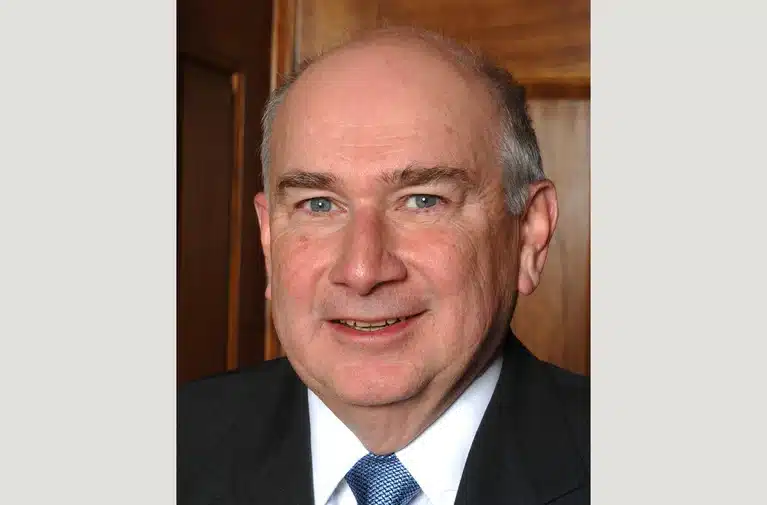
Judge Richard Eaton
Court of International Trade
In an affidavit to the court, Brandon Lord, executive director of trade programs in CBP’s Office of Trade, made clear that this order was essentially beyond the scope of anything that the agency has ever reasonably accomplished or even tried to do.
“CBP has never been ordered to, nor has it attempted to, process a volume of refunds anywhere near the volume of total entries … on which [International Emergency Economic Powers Act] duties have been deposited,” Lord said. “CBP is not able to comply with the Court of International Trade’s order.”
Lord estimates that manually processing the refunds – the only process currently in place – would take 4.4 million work hours.
A Plan For April?
However, that does not mean that the task is an indefinite impossibility. The agency is still ordered to issue the refunds, and it believes that it can do so, just not with the current systems at leadership’s disposal. By revamping its technology, the CBP filing said the agency “is confident it can develop and implement” a system called Automated Commercial Environment, which is used to track imported merchandise.
“CBP is making all possible efforts to have this new ACE functionality ready for use in 45 days,” the agency said. “This new process will require minimal submission from importers.”
- This is presumably the plan that CPB will reiterate to the court to justify the suspending of immediate tariff refunds.
- If the ACE technology proves sufficient, it could mean the process of issuing tariff refunds by end of April.

