This upcoming weekend is WrestleMania, which used to be the pinnacle of Todd Bold’s year.
The chief revenue officer of ePromos, PPAI 100’s No. 27 distributor, spent half a decade at WWE during the height of the “Attitude Era,” considered the modern boom period of professional wrestling.
After a year as the merchandise manager at the NBA’s flagship retail store in New York City, Bold was recruited by a former colleague to run retail and merchandise operations for WWF New York, a restaurant and store in Times Square, in 1999. It didn’t take long for him to be called up to Titan Tower, WWE’s headquarters in Stamford, Connecticut, for a promotion.
As director of global merchandising and licensing at WWE, Bold’s focus was on producing and promoting new merchandise for the wrestlers during the runup to WrestleMania – WWE’s biggest event of the year. He collaborated with the performers as well as the creative team behind the storylines to develop custom designs and product offerings to support each character.
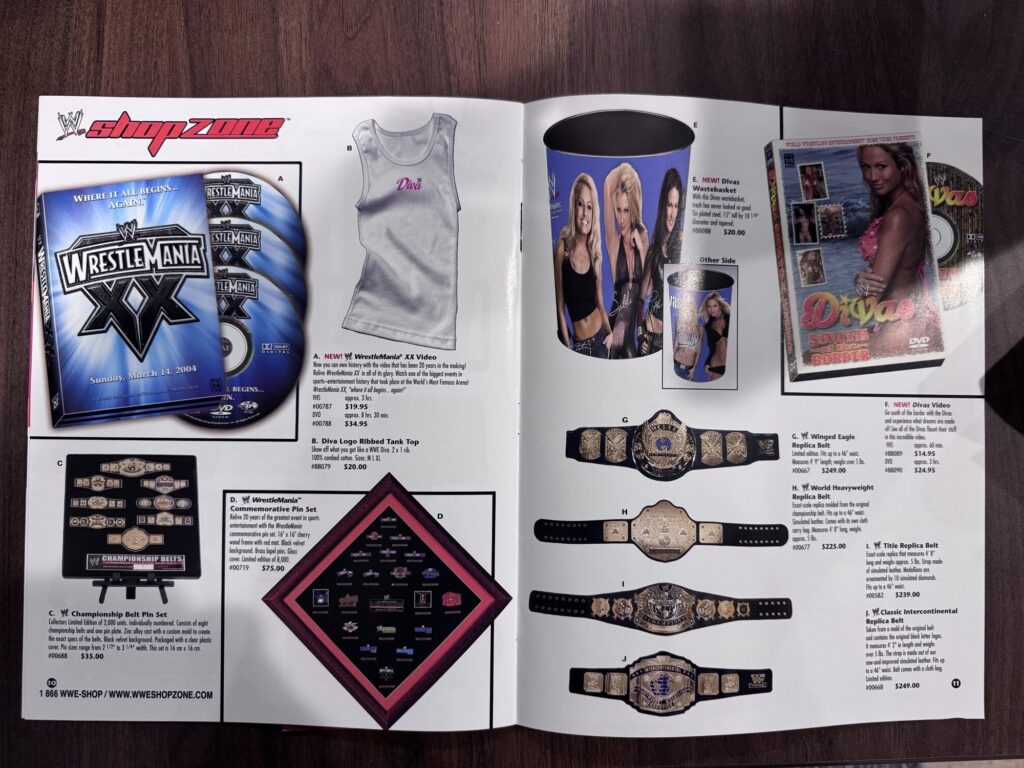
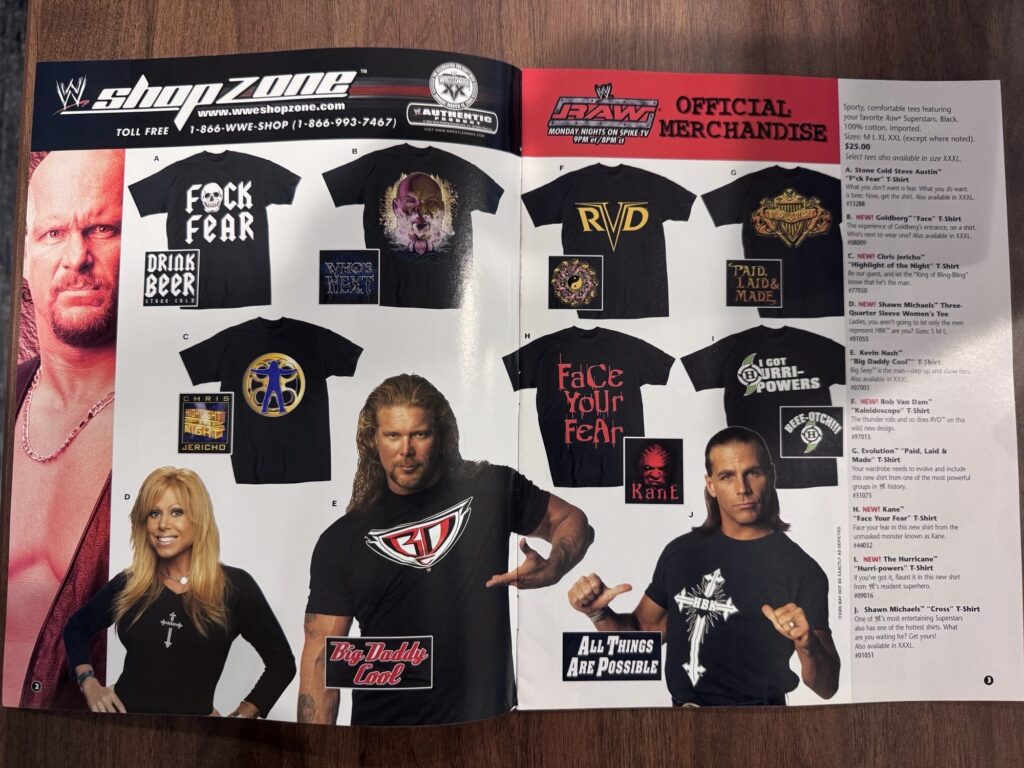
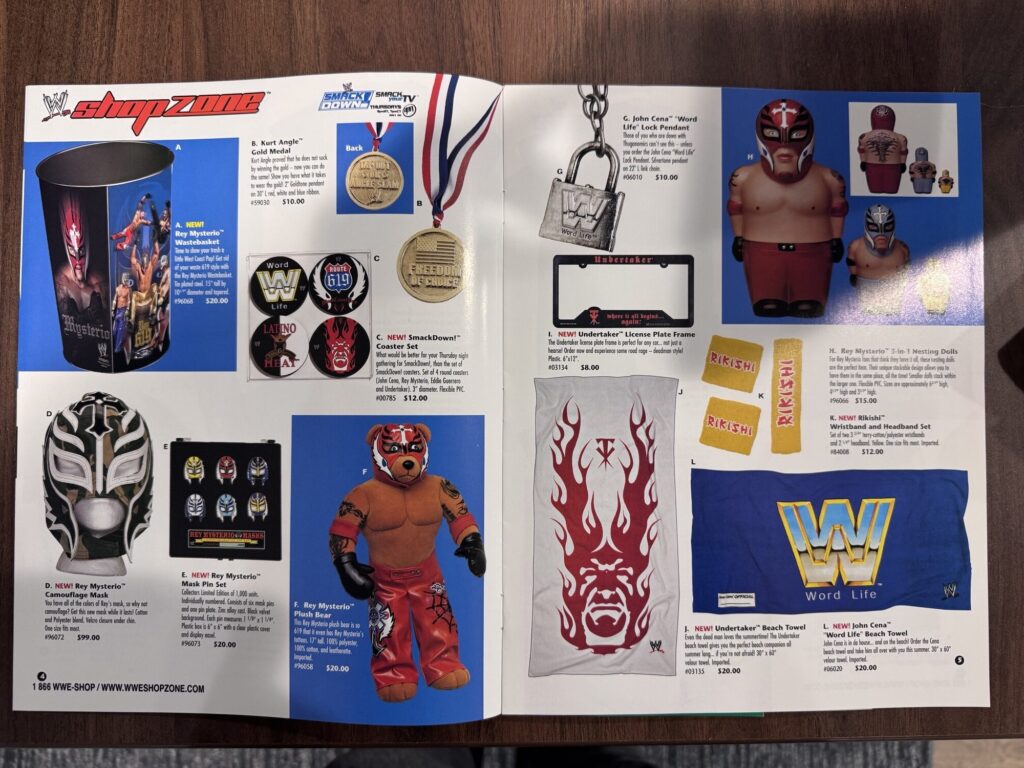
Products included T-shirts, hoodies, action figures, plush toys, headwear, jerseys, outerwear, bobbleheads, books and CDs, posters… you name it. But the core drivers were items the wrestlers wore in the ring, such as masks, gloves, jewelry, feather boas (brother), sunglasses and bandannas.
Don’t Miss A Thing: SUBSCRIBE To PPAI Newslink
The products were marketed through an omnichannel model:
- Shopzone.com – WWE’s e-commerce platform
- Direct mail (seasonal print catalogs)
- Live events
- WWF New York, national retailers and licensed product offerings
Ahead of WrestleMania 42 at Allegiant Stadium (home of The PPAI Expo Party) in Las Vegas, Bold spoke with John Corrigan, deputy editor of PPAI Media and a wrasslin’ aficionado, about one of the coolest jobs on the planet.
PPAI Media: As a former WWE employee, in such a high-level role, what can you tell me about the buildup to WrestleMania?
Bold: WrestleMania was, and I’m assuming it still is, WWE’s premiere event. Preparation for each WrestleMania began a week or two after the previous one. Once we knew the location and the arena was signed, we designed the logo.
We had a collection of products focused on our core brand with the WWE or WrestleMania logo and then we had a collection of products focused on the talent like Stone Cold, The Rock, etc. Our mission was to ensure the talent were properly represented, which meant the right products in the right place at the right time to capitalize on their live television and in-arena appearances.

Todd Bold
Chief Revenue Officer, ePromos
That is a marketing vehicle that can’t be beat. The talent wearing the products themselves was the magic elixir for us to drive awareness and velocity of sell-through.
PPAI Media: What’s it like working at WrestleMania? Do you have a favorite experience?
Bold: I remember the Houston Astrodome [which hosted WrestleMania X-Seven] and the scale of it. It was insanity. By the culmination of the event, you feel a sense of pride. With all this work we’ve put in, you hope that we hit the budgets we set, the sell-through was there and the product we created resonated with the audience.
And it always did. Whether it was record-breaking attendance, record-breaking pay-per-view buys or record-breaking merchandise sales, there seemed to always be this theme that all the hard work paid off. The reality is merchandising was a small, but important piece of it in the grand scheme of things. The revenue attributions of live event ticket sales and pay-per-view buys were much larger in scale than the merchandise piece. But the beauty of the merch piece was the connection with the consumer.
That’s the first time my eyes opened to what a well-done piece of merchandise can do for a consumer. Branded merchandise is such a big piece of a marketing budget that sometimes is overlooked. It’s a physical thing that continues to show the brand.
RELATED: WrestleMania XL Powerbombs Philly With Branded Merchandise
People used to laugh at me. They’re like, you worked for the NBA and saw some big playoff games. But the first time I went to Monday Night Raw, it was a spectacle. I would get goosebumps. The fans were going crazy. Whether you love or hate wrestling, whether you think it’s real or scripted, the reality is they have a very loyal fan base who are as passionate as they come.
PPAI Media: Have you come across a stigma about being involved in pro wrestling?
Bold: No, but even when I was working there, people either loved it or didn’t know about it. Wrestling was sort of on the fringe of sports and entertainment. People were very transparent: ‘I’m not a fan of that.’ Okay, that’s fine. But the people who are fans, they’re as passionate as they come. They helped the business be successful for a long time.
I also liked the fact that we were omnichannel. There were a lot of ways to touch consumers and give them the opportunity to buy. There were different strategies for each of those channels. The catalog piece was at its heyday when I was there, whereas the digital component was just starting to ramp up.
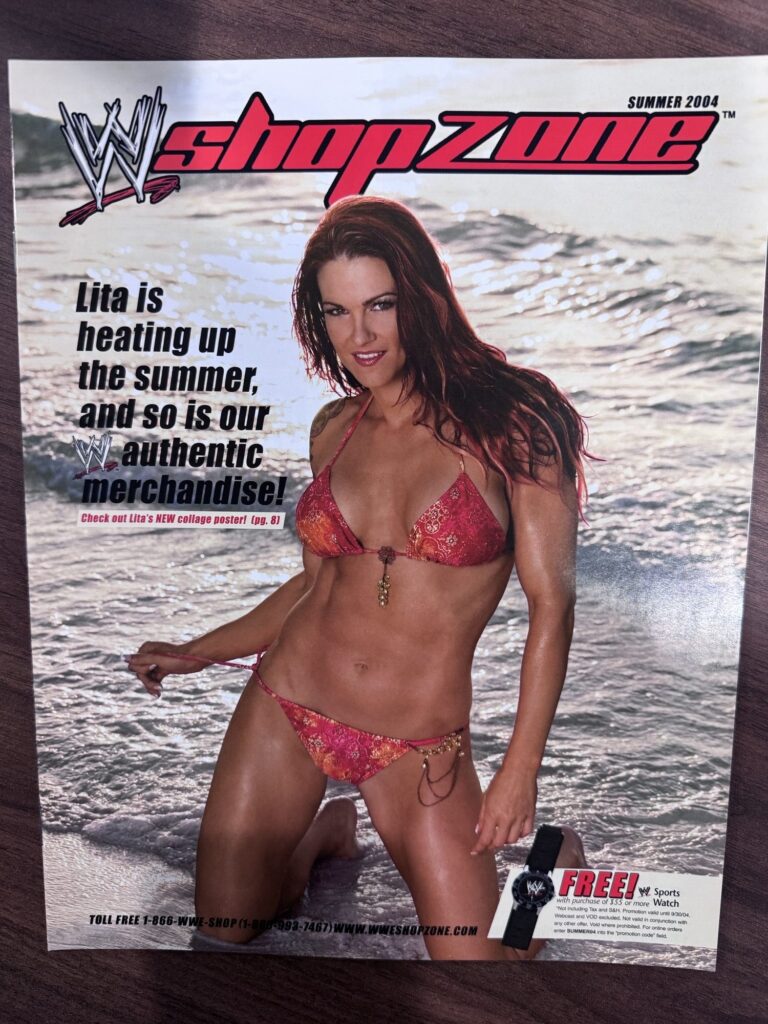
PPAI Media: So, you joined in the fall of 1999, which was right around the time that SmackDown debuted. As part of your job, I assume you had to watch that, Monday Night Raw, the pay-per-views…
Todd Bold: Oh yeah, absolutely. I had an office and they provided a television. Every morning when I came in, there would be a VHS tape with the previous night’s recorded event if I didn’t have an opportunity to watch live. It was all about understanding the WWE brand and stratosphere that was represented by all the talent, the various belts, etc.
I needed to know that to understand how everything correlates to where we’re going with product development. We tried to stay ahead of storylines as much as possible with our creative team, so if something massive was going to happen with a particular wrestler in March, we were thinking about it far in advance and preparing, designing products, doing sampling and having it ready to go so we could capitalize through our omnichannel.
PPAI Media: Were you a wrestling fan before joining WWE?
Bold: I was a casual fan. As I became a student of the game, I had to be an advocate and brand ambassador and really understand what was going on to be able to direct my team and to understand why certain things were selling.
It was quite an interesting dynamic because things change quickly in the storylines and we needed to be able to respond accordingly not just in developing products quickly and speed to market, but also when we had inventory. If something was going to slow down because of a change in the storyline, we had to look at inventory control levers to make sure we weren’t sitting on a ton of obsolete inventory.
I had an incredible team of really talented people on their game constantly, from creative to buyers to our live event team to our digital marketing team.
PPAI Media: What does the process of collaborating with talent to discuss merch ideas look like?
Bold: If one of the wrestlers had an idea about something they wanted to develop to wear in the ring, typically myself or somebody on our merchandising team and someone from the creative services team would have those conversations with them either backstage at live events, at WWE HQ or at their homes. They were very involved in driving the creative element of merchandise.
PPAI Media: Do you recall Stone Cold Steve Austin being one of the wrestlers who were heavily involved in developing their merch?
Bold: They all were, honestly. We wanted them to be heavily involved and aligned with where we were going and what we were producing. It was a real partnership in the product development stage.
Do you recall anybody disagreeing with a product that was produced?
Bold: No, they were all very good partners in the process. The more bought in they are to a design or product offering, the more committed they are to actually utilize it in ring and on television.

PPAI Media: Before we began, you mentioned visiting Goldberg’s ranch. What was that like?
Bold: I don’t remember where it was, but I remember him having a wrestling ring on site. These guys were pros. It’s one of the things there’s a misconception about. They are professional athletes – they’re not just actors. This stuff is real. That was probably the most eye-opening thing for me.
To go from a casual fan to being part of the organization, I learned quickly how hard these guys worked on their craft. They practice and practice and injuries were a real thing. They were real athletes without question.
PPAI Media: What was your favorite part of the job?
Bold: Traveling to live events and seeing the passion that the WWE fans had and the pride they had in wearing the products. Little kids would be in tears because they got their first Rey Mysterio shirt. Or for that matter, grown adults who were just so passionate about their love and allegiance for these larger-than-life figures. They felt part of WWE. They would line up for products like nothing I’ve ever seen.
Going to a Monday Night Raw back then was unbelievable. I’ve been to a lot of sporting events and to this day, nothing compares to the passion, excitement and pageantry of a live WWE event. That’s why fans get so hooked. They create this allegiance to certain wrestlers and to see them not only purchase the product at the rates that they did, but to live in it. I saw fans in Stone Cold T-shirts that they probably bought 10 years earlier. The recall and the attachment to it was something to see.
There’s a parallel to the promotional products industry. As a distributor working with a particular customer, it’s like seeing that product in field or in market or coming to life at an event. That’s what it’s all about. We dialed in on a product that resonated with the target audience, creatively, price point wise and on-brand wise, that to see it materialize in market is pretty amazing.
The greatest thing in the branded merchandise industry is to see the product deliver the behavior our customer wanted it to.
PPAI Media: How closely did you work with Vince McMahon [former chairman of WWE]?
Bold: We met with Vince weekly to review creative designs and concepts that we were looking to put forward. He had his finger on the pulse of everything my team and I touched. I learned an awful lot about marketing, brand and promotion working there and with the McMahon family. They were really good at what they did.
Without question, he built an amazing business. I viewed him as a marketing genius. He built WWE into something that I don’t think anyone ever imagined it could be. It became mainstream.
PPAI Media: In 2002, Hulk Hogan – one of the biggest merch movers in pro wrestling history – returned to WWE. What was it like collaborating with him?
Bold: I don’t remember specifics for anybody in particular. John Cena was great, Mysterio was great. They were all great. My interactions with them, despite all this, were fairly limited. But they were always very professional, creative and thoughtful. They really cared about not only the products that were being created, but also how those products were performing.
In our own way, we’d keep them informed in how products were performing, and they were interested. I liked the fact that they cared. They were part of the process because it mattered to them. It was important that they were happy, for sure.
RELATED: Hulk Hogan Merch And The Contract That Changed Wrestling History
PPAI Media: Why did you decide to leave WWE in 2004?
Bold: It was a personal move. I had twin daughters that were born in 2002. The travel demands of WWE were more than I thought was right for someone who had a wife and two young kids at home. Lapine was a small distributor in Stamford that was a vendor to WWE. I got to know the Lapine family quite well, and we had conversations about a role I might be able to play there.
They needed someone to lead sourcing and procurement. Everything I had learned about supply chain and merchandising at WWE made a lot of sense there.
At WWE, I had this great role at the director level, and it was an exciting place to work. My friends thought it was so cool. But I had to find the balance between professional and personal. I didn’t want to be on the road constantly with two young kids at home. I made more of a personal decision to take a leap of faith in a new industry.
PPAI Media: When you reflect on your career, what was it like leading the merchandising operation of a white-hot brand?
Bold: I was excited and honored to take on that role and be given the opportunity. It was a very challenging and at times stressful role with a lot of moving pieces, teams and expectations, of course, like any business role. But I was able to manage all of that through inheriting an amazing team and building it out. We also had great leadership running the consumer products group.
It’s a very fast-paced, high-energy, creative business. That part was so invigorating at the time. It was an incredible learning experience for me that to this day I often think about how I parlayed my learning there into the branded merchandise space. It was a really amazing educational opportunity.
The biggest lesson is the methodology and approach we took back then to create thoughtful, on-brand merchandise. I’ve kept that with me on the distributor side of the promotional products industry.
It’s all about making sure what we’re doing as a distributor for our partners is protecting their brand, aligning what we create for them with their brand strategy and guidelines, looking into target audiences the right way and segmenting the products we create for them. Nowadays, there’s a sustainability element, too. Depending on a company’s ESG commitments, we have to look at certain sustainable materials, the carbon footprint and recycled packaging.